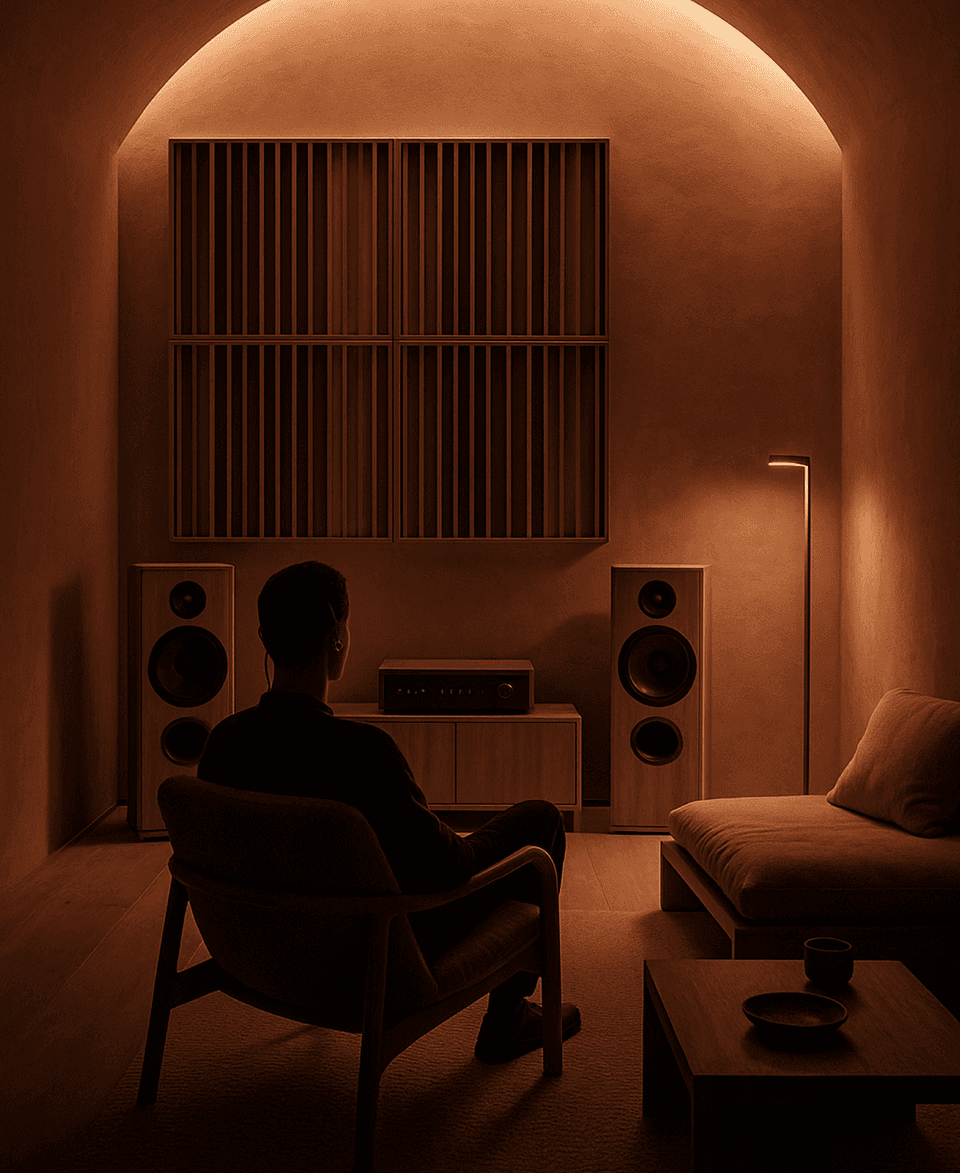

The Global Wellness Summit's 2026 report identifies an over-optimisation backlash. A backlash in the form of a cultural correction away from high-tech, data-heavy, performance-driven wellness, and towards experiences that are emotional, sensory and genuinely human.
The rise of AI has placed a huge question mark over the idea of productivity and how people will spend their days in the next 5 to 10 years. You might be wondering how this relate to real estate? We see it as two-pronged answer:
Firstly, the feeling of snapping back into the physical world after your focus and energy has been spent on engaging with the digital world is becoming a huge topic for people. The rise of tech within our daily lives is almost creating a thirst for more human and nervous system regulating physical spaces to spend time in, away from our screens.
Secondly, the questions of productivity will go unanswered for a long time, however the ethics being discussed is causing a ripple effect into adjacent industries and real estate is one of them. With one of the main questions, “why aren’t our buildings designed to support our general wellbeing?”. The answer lies in the nature of real estate being a slow-to-turn ship. Most of our stock was built from a different perspective entirely. Where an optimisation of the human workforce, at all costs, without ethical consideration, was essential.
What does is mean going forward?
In short, homes, workspaces and thirdspaces will require meaning over measurement, catharsis over clinical data and self-expression over self-surveillance.
Granted, this won't affect all buildings or operators, however it is especially integral for anyone building or operating in the serviced accommodation, wellness and hospitality space. The buildings and interiors designed for the optimisation era; the sleek clinics, the diagnostic studios, the wearable-integration experiences; may find themselves on the wrong side of a cultural shift that's already gained momentum.
Instead, the spaces that will capture value in this environment are the ones that feel generous, warm, and human. The ones that don't ask you to perform your wellness back at them through data. The ones that are built for the moment you exhale, relax and enjoy the mundane moments of daily life.
Our observations:
The over-optimisation backlash is real and accelerating. The market is moving away from clinical, data-heavy wellness towards emotional, sensory, and social experience. The brief for new wellness spaces is changing.
Longevity is expanding from clinics into real estate. Communities and residences designed around conditions that support long health-spans. This is becoming a meaningful segment.
Nervous system exhaustion is being named as a design problem. The report identifies it as a crisis, and frames the designed environment as part of the solution. This is the neuroscience-informed design conversation gaining mainstream traction.
Final Thoughts
Speed isn’t just a technical metric—it directly impacts business success. Investing in website performance means happier users, better rankings, and increased revenue. If your site is slow, now is the time to fix it.


Let’s keep in touch.
Discover more about high-performance web design. Follow us on Twitter and Instagram.

